01 / COURT AND CEREMONY
Procession as a portrait of order.
Painted figures preserve rank, dress and the choreography of court life in miniature.

SHAANXI / CHINA

YOU HAVE ARRIVED
02 / IMPERIAL ORIGIN
Near modern Xi’an, Qin Shi Huang created the first unified imperial state in Chinese history. Administrative systems established during the Qin shaped government for centuries.
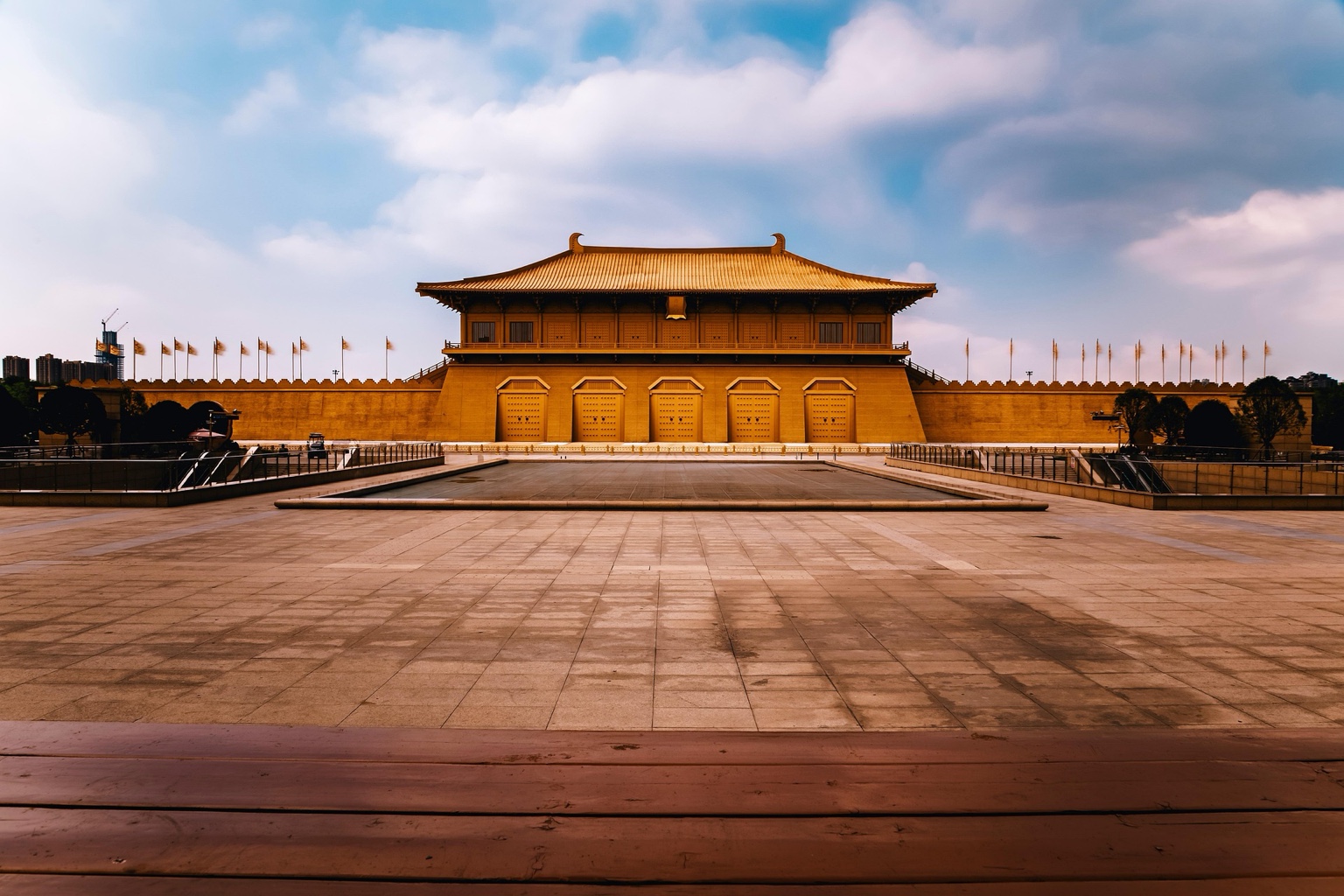
Later dynasties returned to the Wei River plain. Under the Han and Tang, Chang’an became an imperial metropolis and the eastern threshold of the Silk Roads.
03 / ARCHAEOLOGY
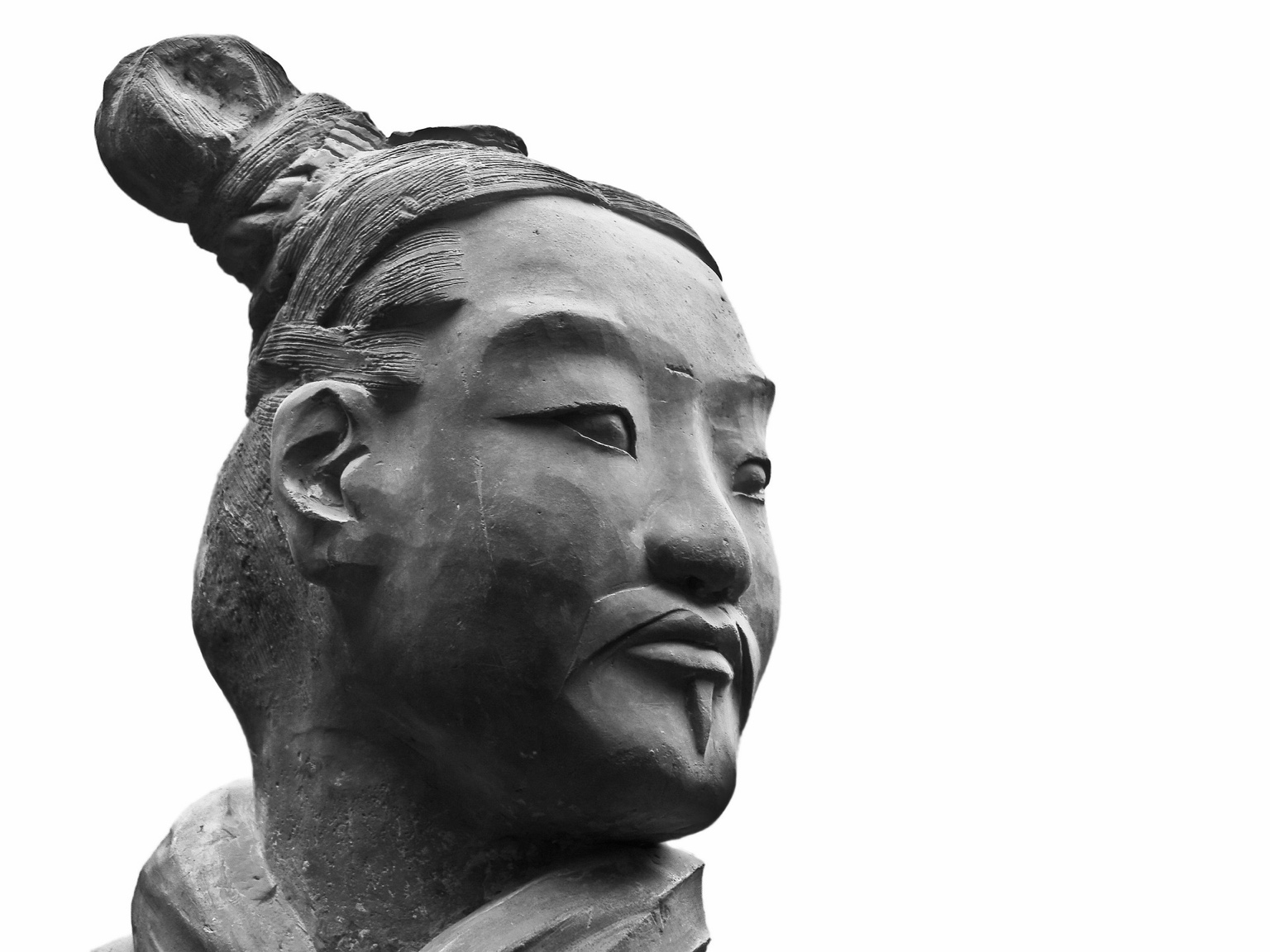
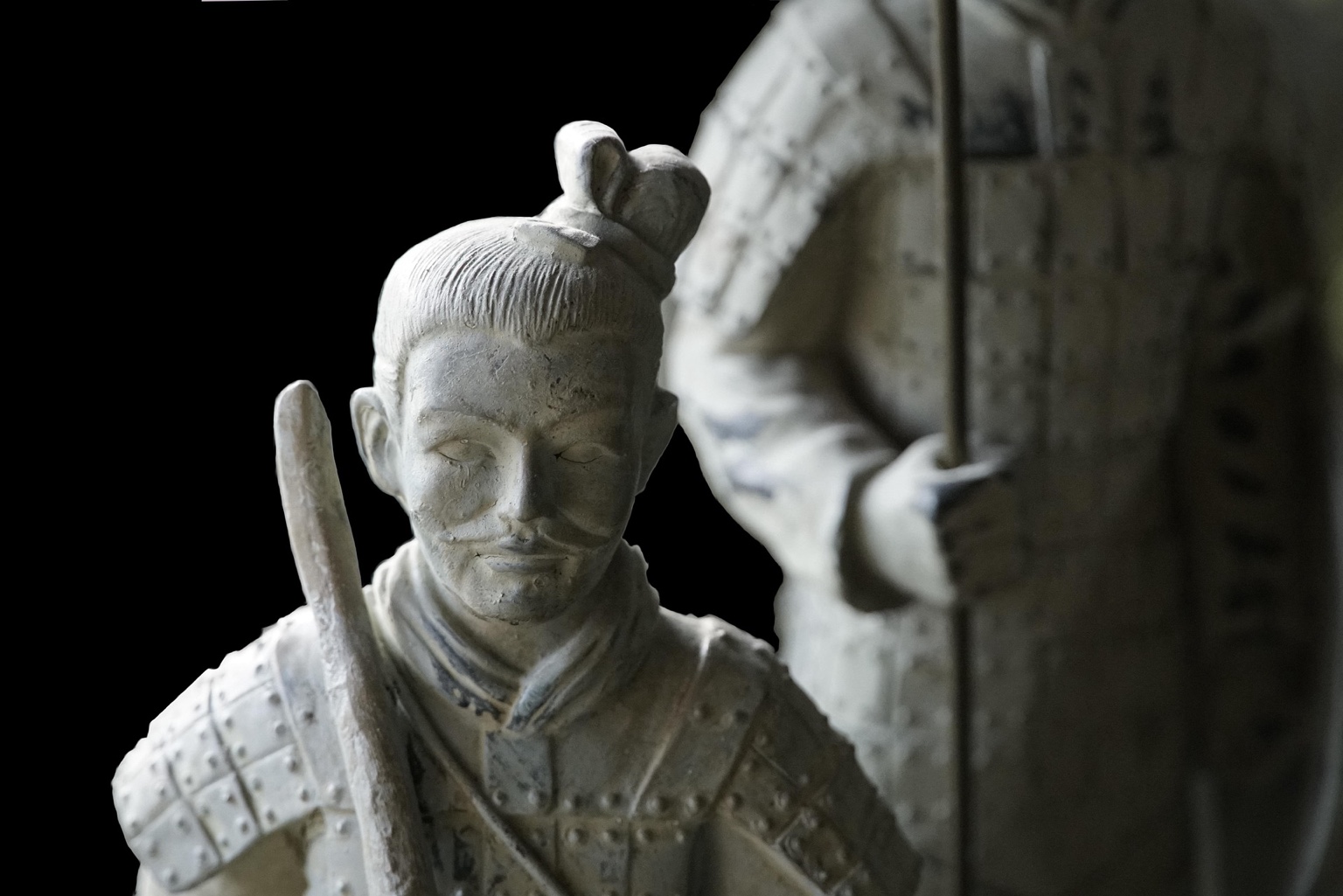
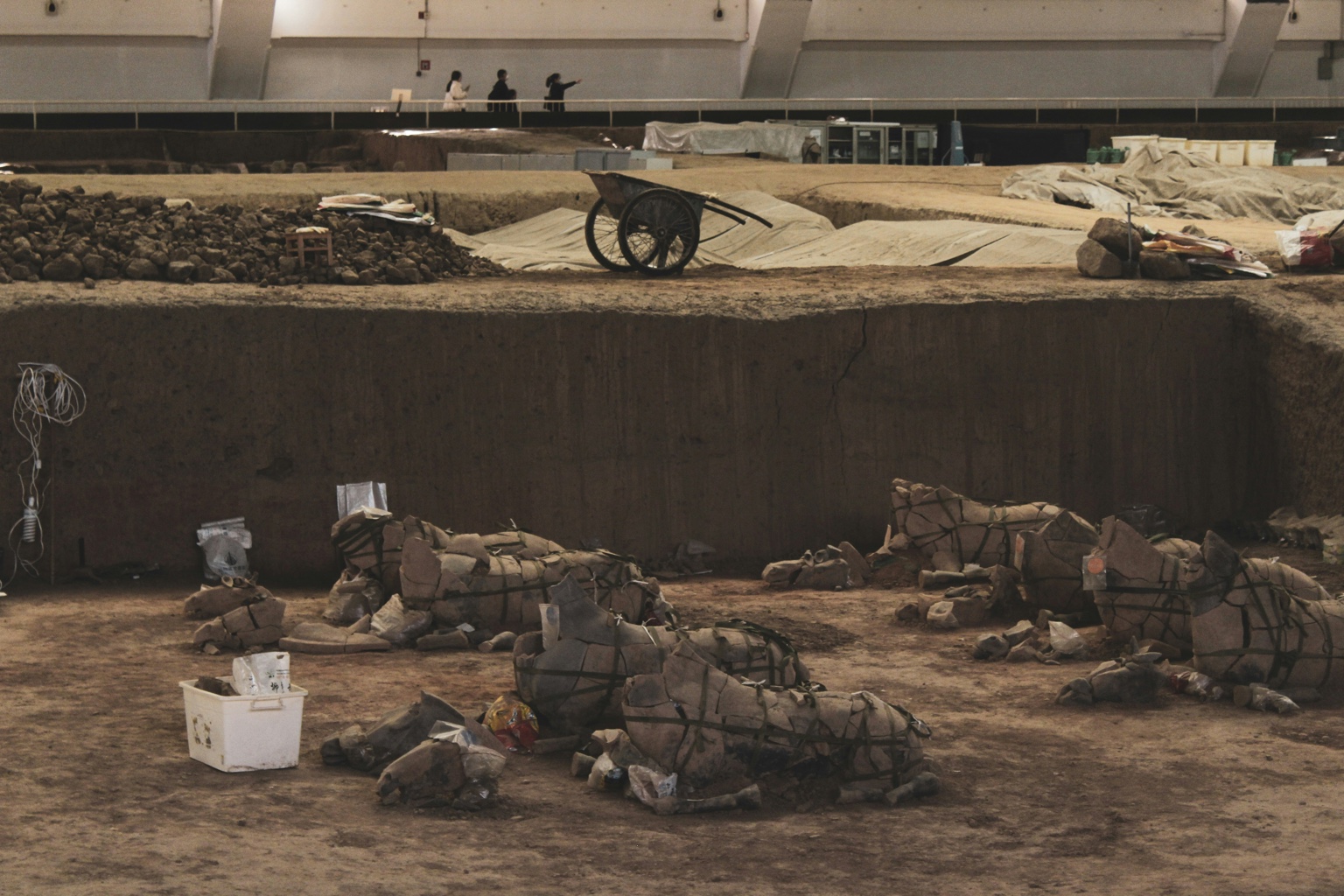
Discovered in 1974 near Qin Shi Huang’s mausoleum, thousands of clay soldiers, horses and chariots guard the First Emperor’s afterlife.
No two faces are identical. Armour, posture and detail turn imperial scale back into individual craft.
04 / OBJECT STUDY
The 3D model could not be loaded.
05 / SHAANXI HISTORY MUSEUM
01 / COURT AND CEREMONY

BEFORE THE OBJECT,
THERE IS LIGHT.
02 / FAITH


03 / EMPIRE IN DETAIL

06 / HAN · TANG · SILK ROADS
Tang Chang’an was organised as a gridded capital of walled wards and broad avenues. Merchants, envoys, translators, monks and musicians made the city an international centre.
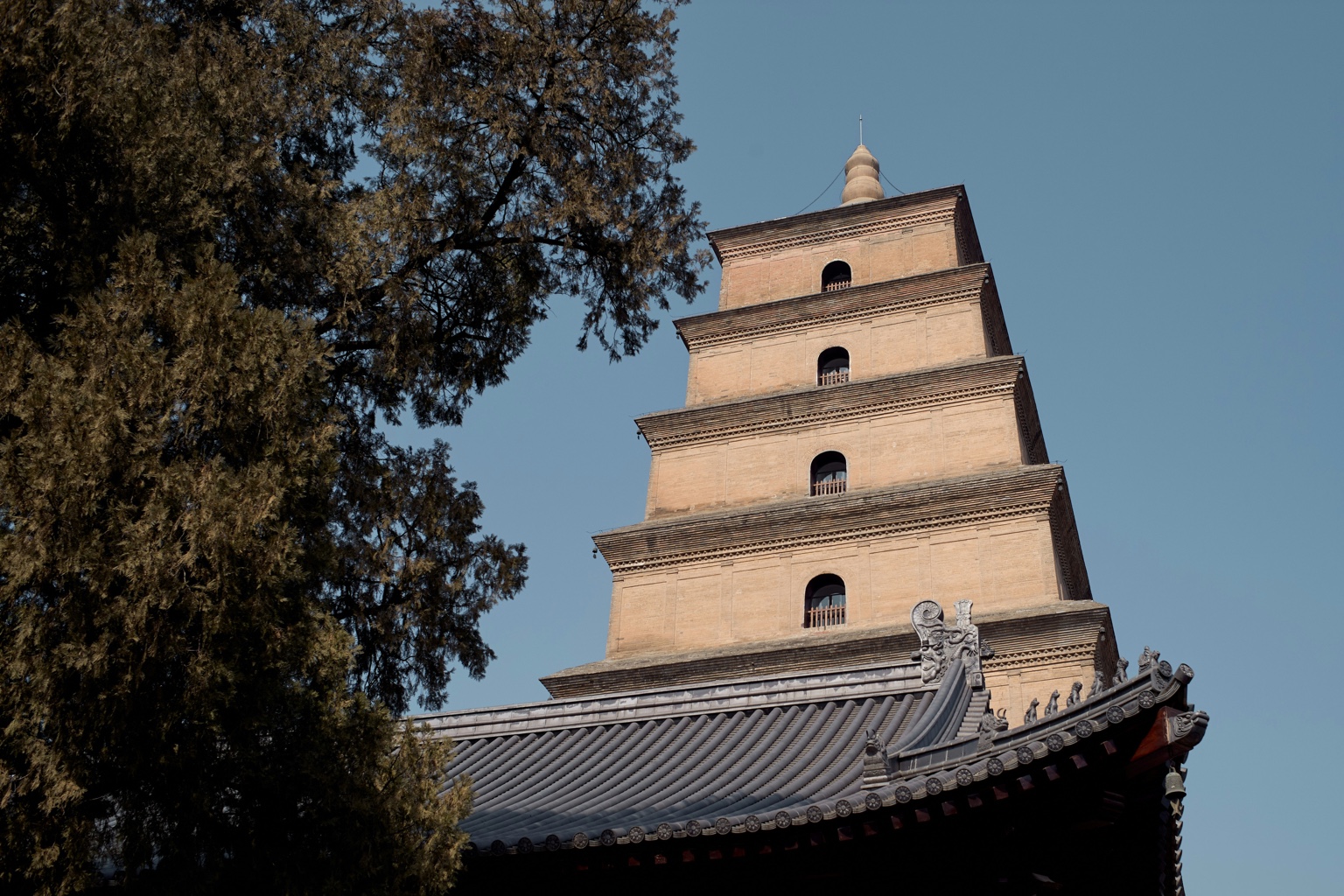
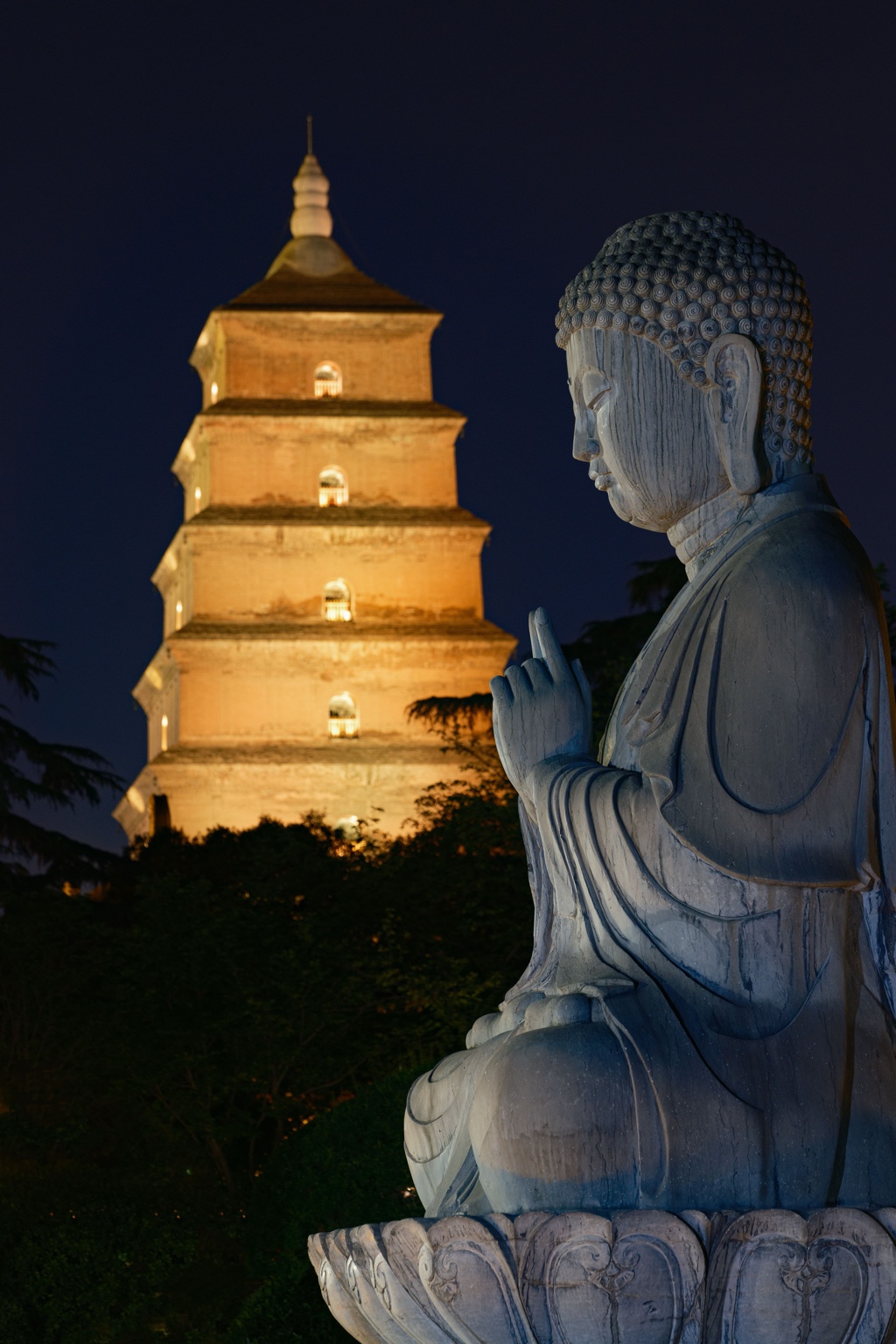
The Big Wild Goose Pagoda recalls the translation of Buddhist texts brought from India by Xuanzang. Religious art gives material form to that movement of ideas.
07 / URBAN FORM
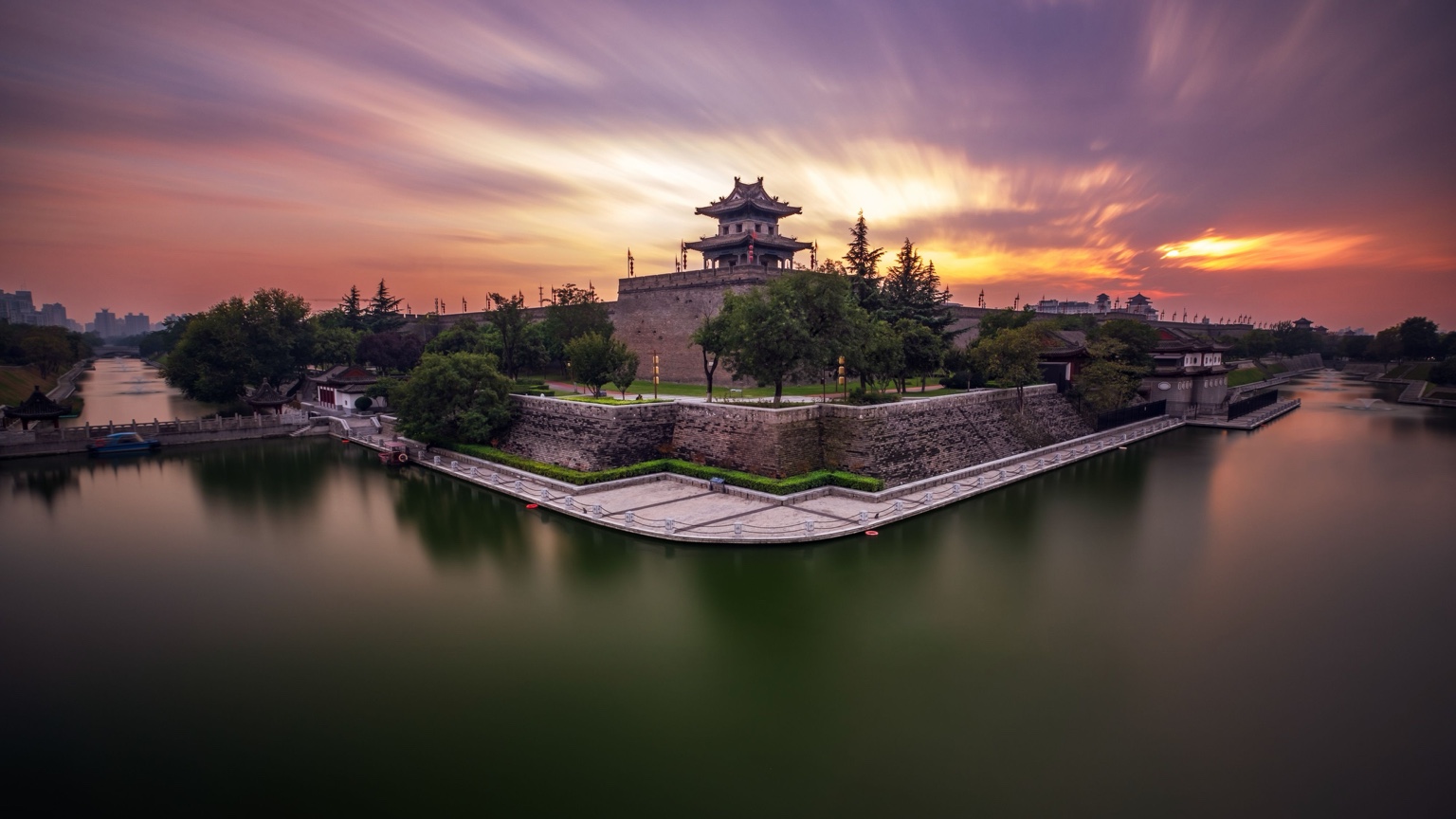
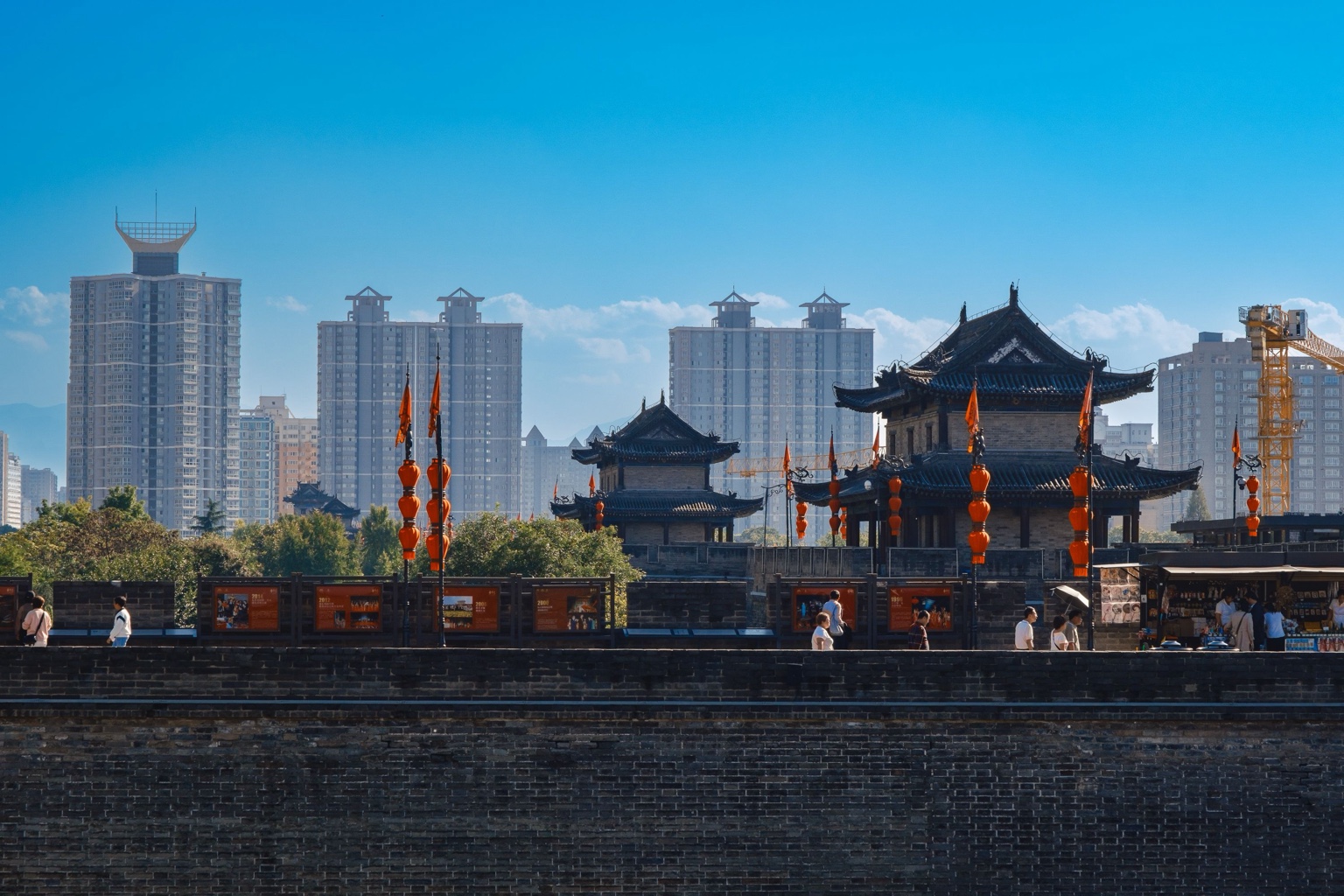
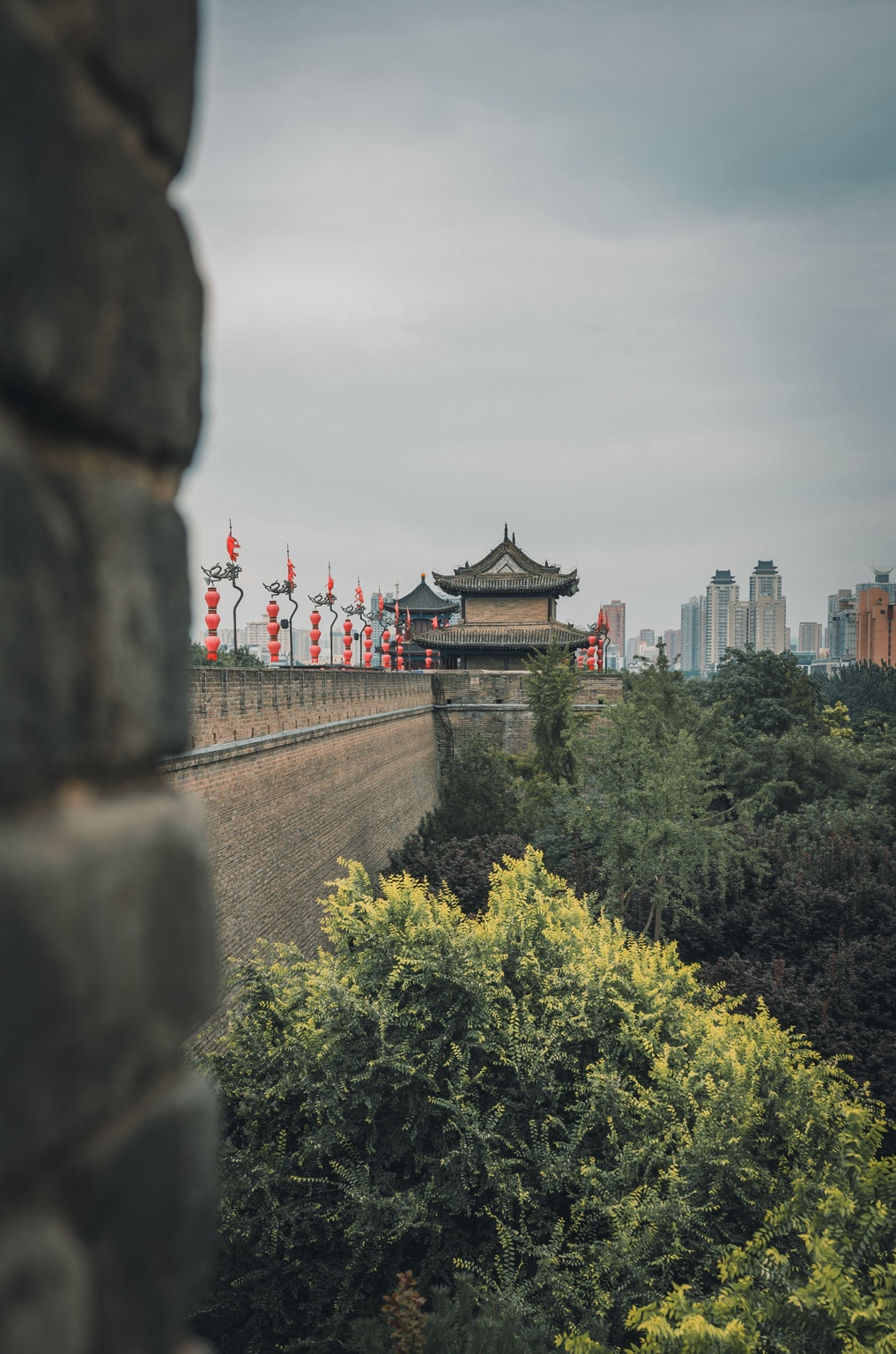
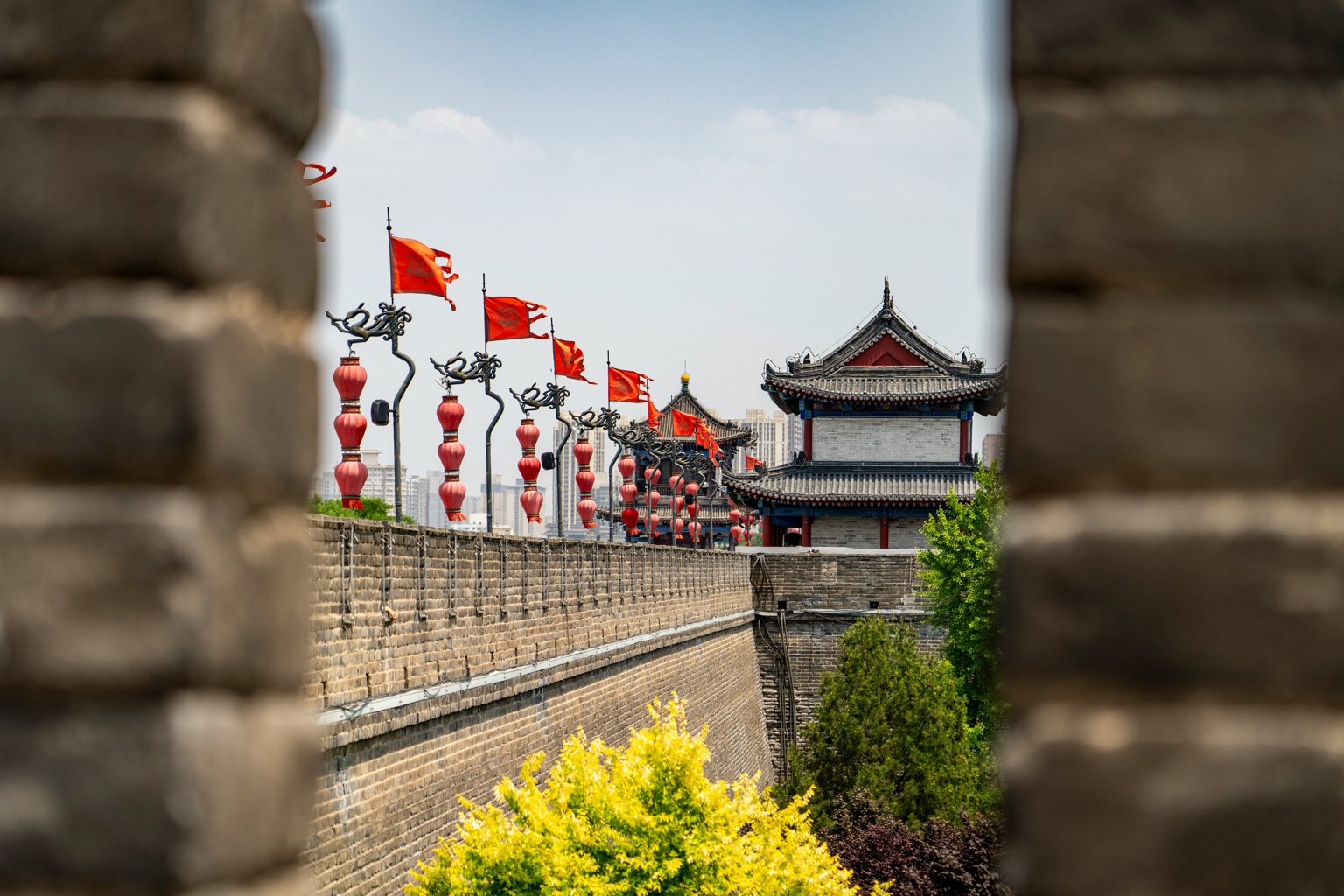
Expanded during the early Ming dynasty on older foundations, Xi’an’s wall still encloses the historic centre. From the rampart, defensive geometry meets apartment towers, traffic and trees.
08 / THE CITY NOW
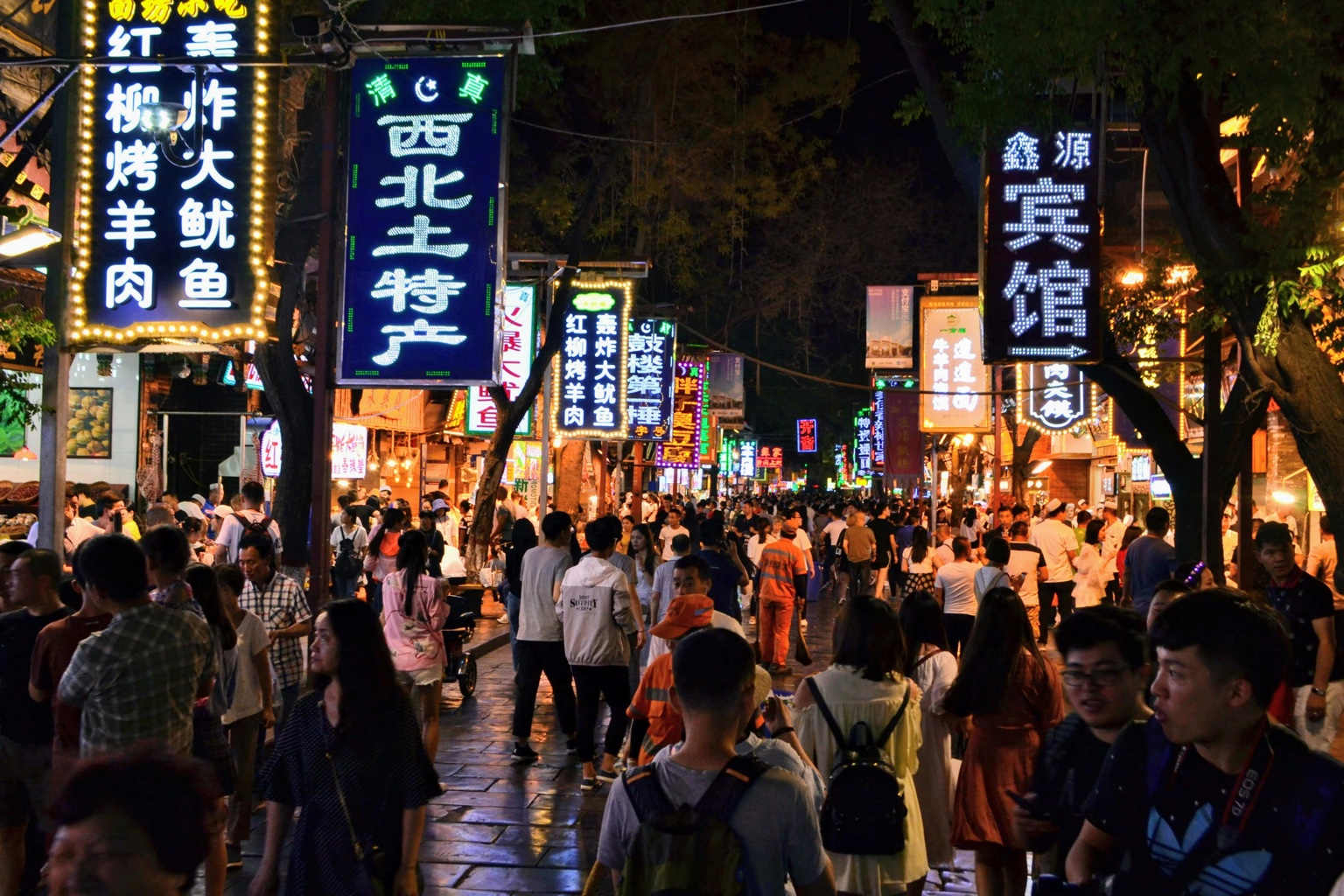
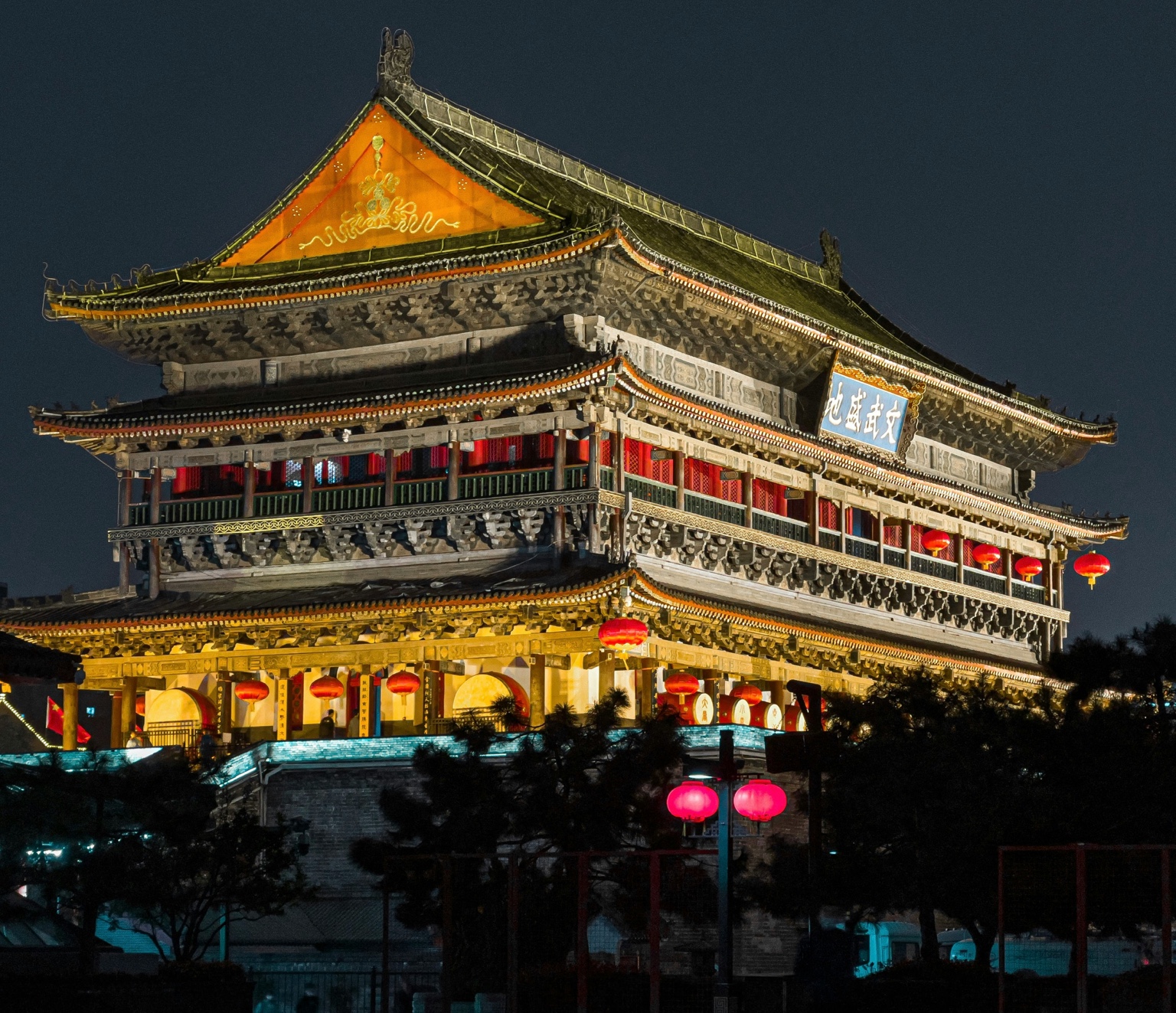
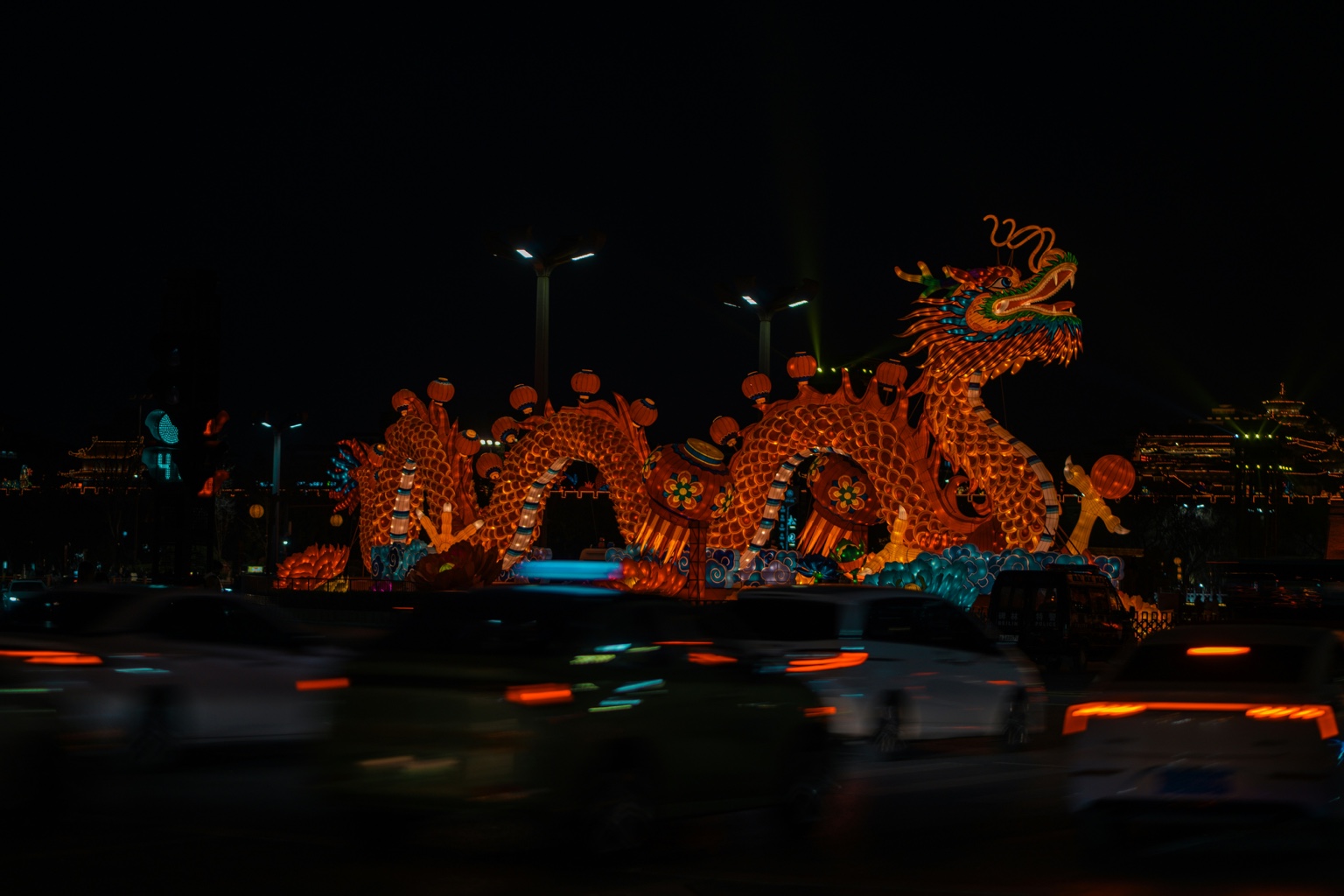
The Bell and Drum Towers still organise movement through the city. After dark, markets, lanterns and traffic create a temporary architecture around the permanent monuments.
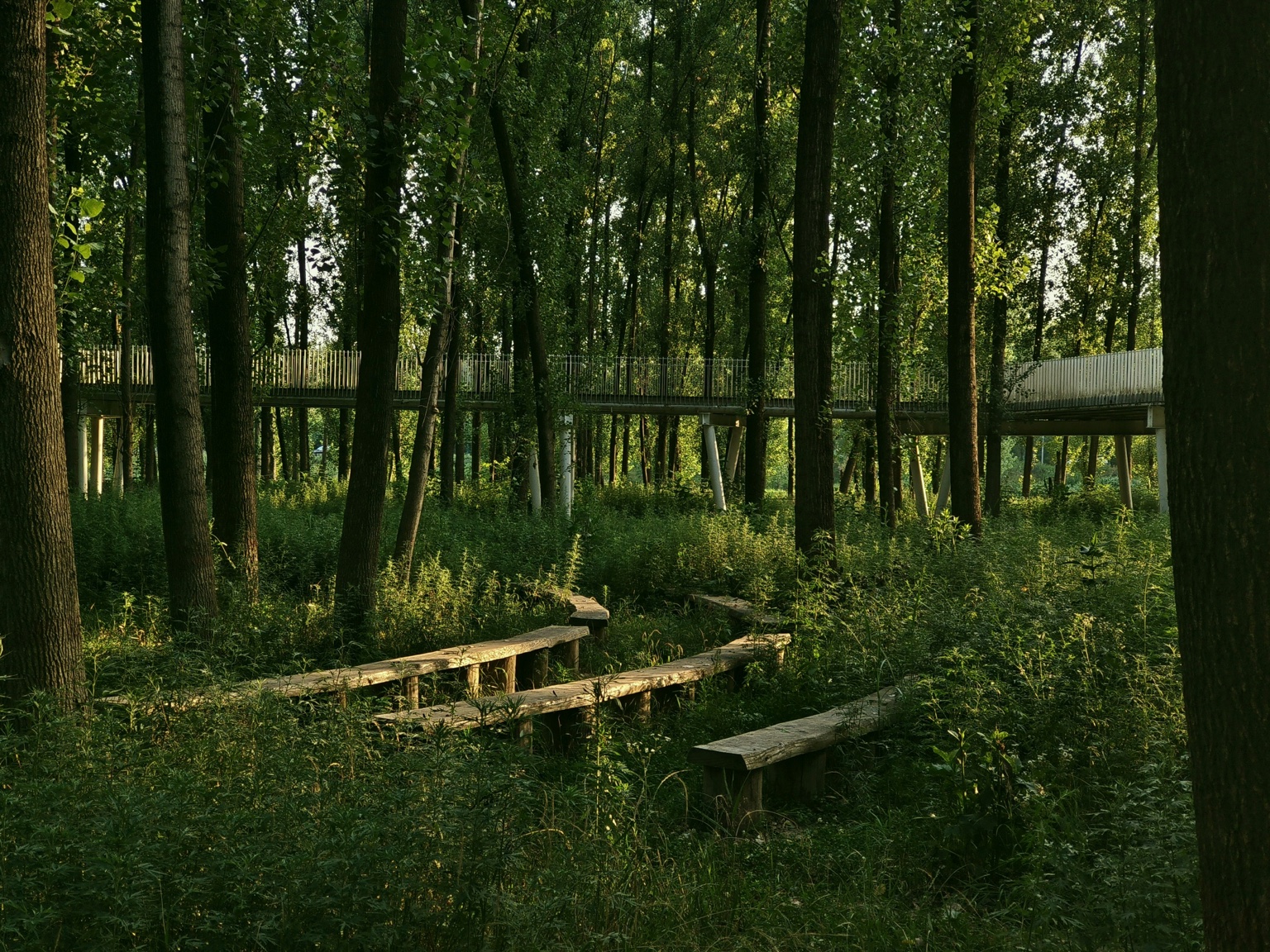
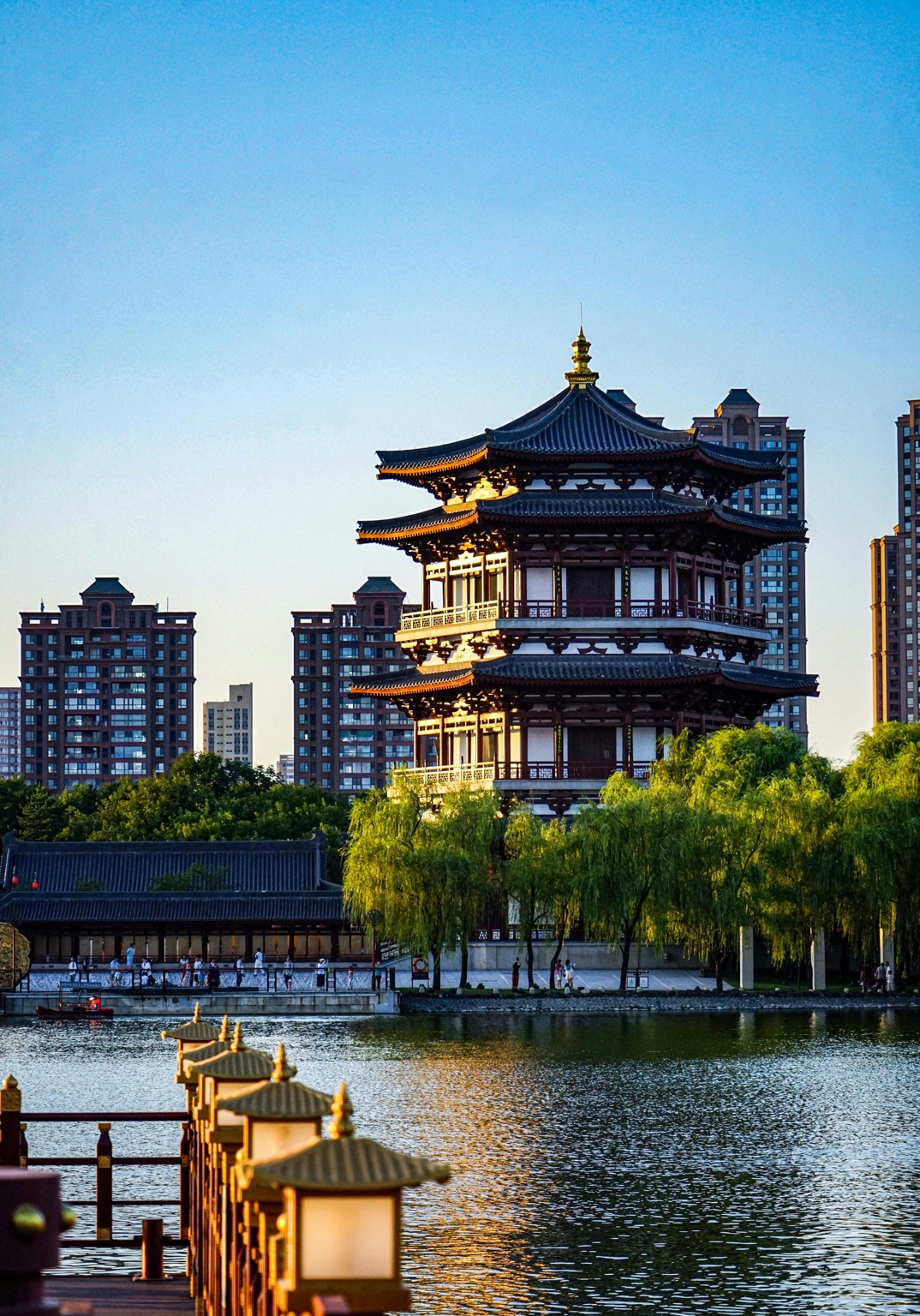
THE CITY BEYOND
Xi’an is not one period preserved in place. It is a city where each era remains close enough to interrupt the next.09 / CITY VISUAL ARCHIVE
Four visual editions inside the wall.
XI’AN / 2026